FLASH #32 – FOUR FOR THE FUTURE
Ever since we started writing our monthly newsletter FLASH we have rightfully given a great deal of space to interviews with all of the top-notch choreographers whose works for JBA have constantly amazed and delighted everyone.
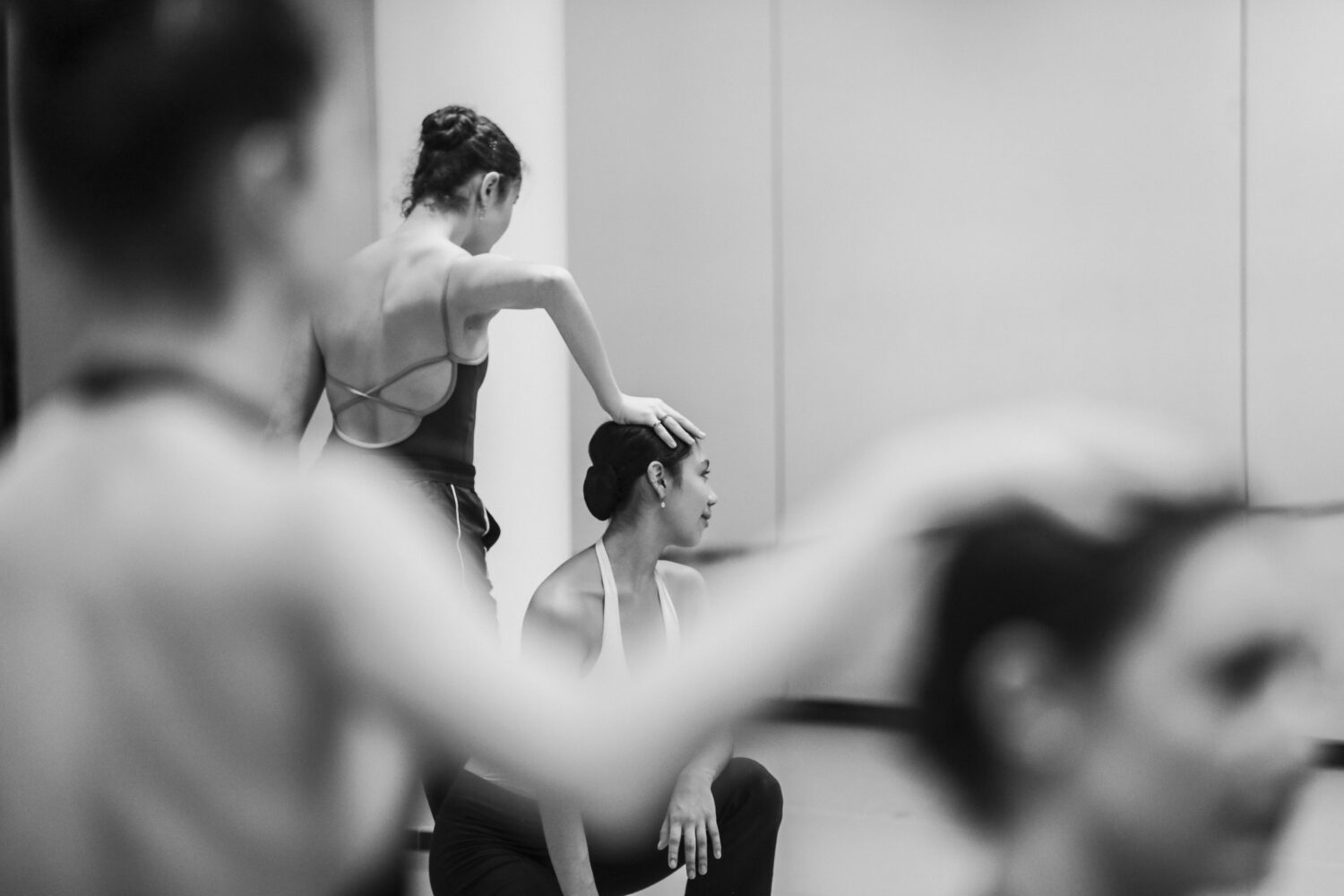
Now, at the start of this brand new year, we feel it’s time to showcase the creativity of our own young artists, as our aim is and has always been to allow them the chance to discover their full range of expression, whether in performing on stage or in other fields. Presenting the first DANCE BYTES back in 2024, it was our wish to keep encouraging budding choreographers from within JBA’s own ranks and with last season’s more than positive second edition, DANCE BYTES #3 was initiated for 2026.
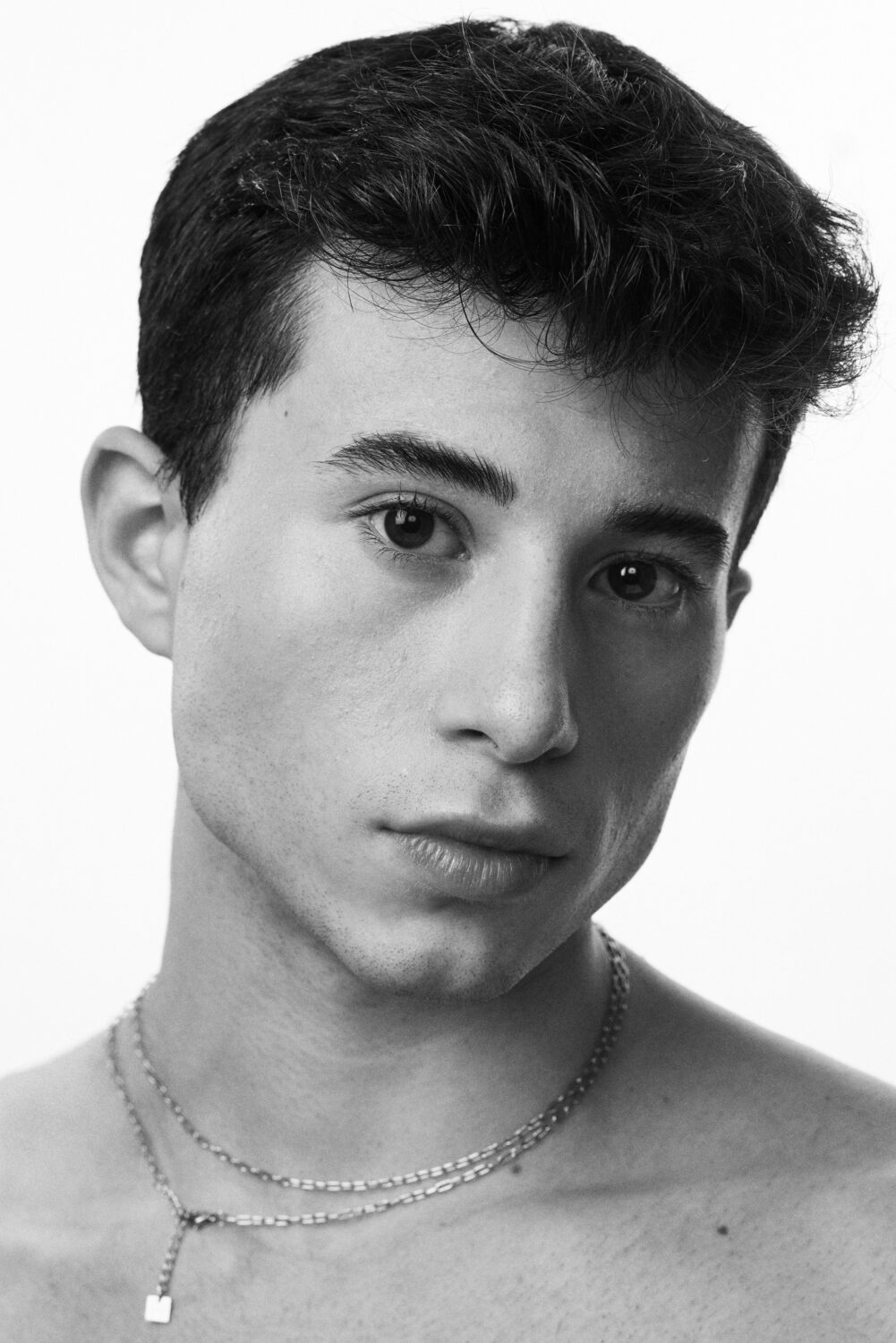
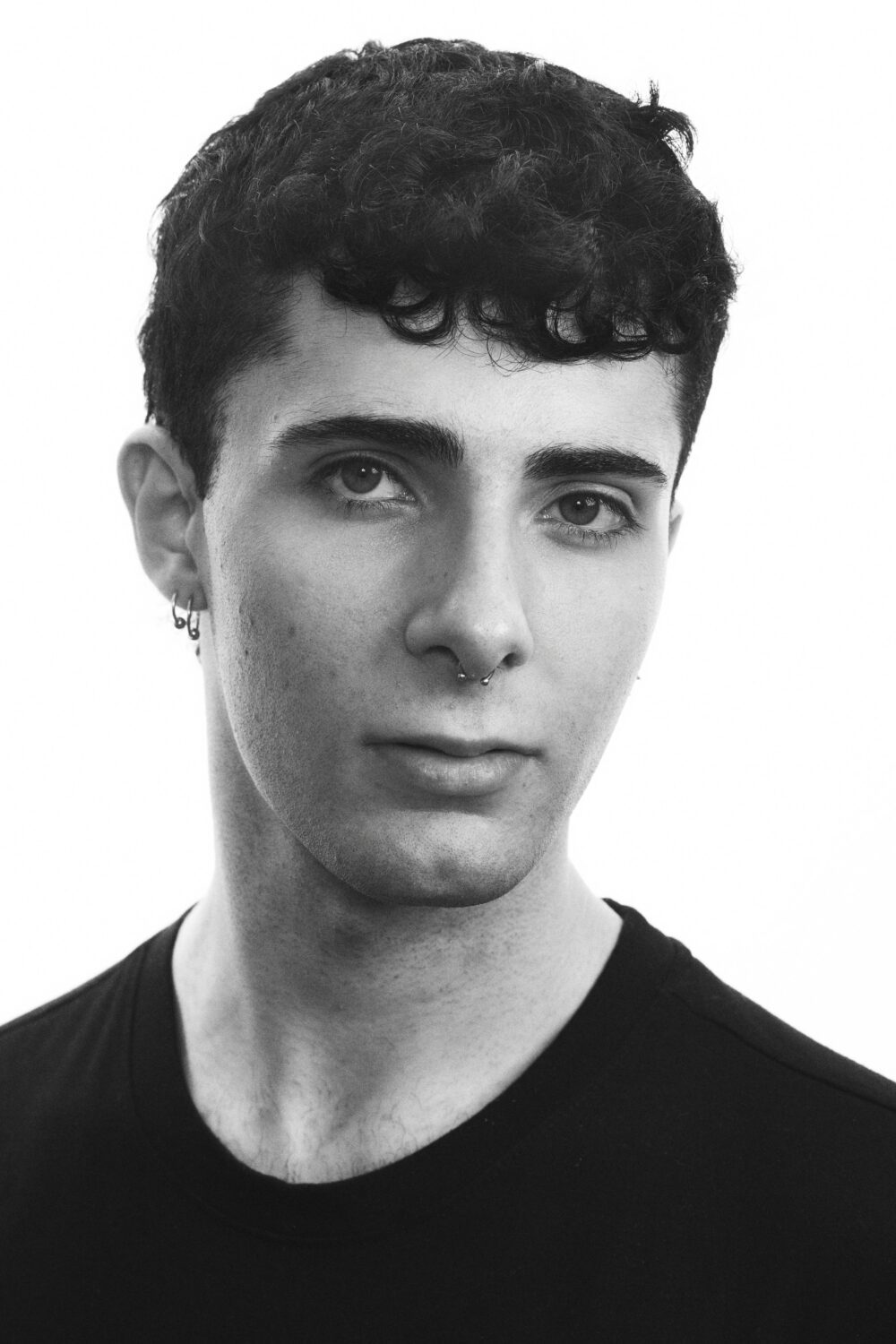
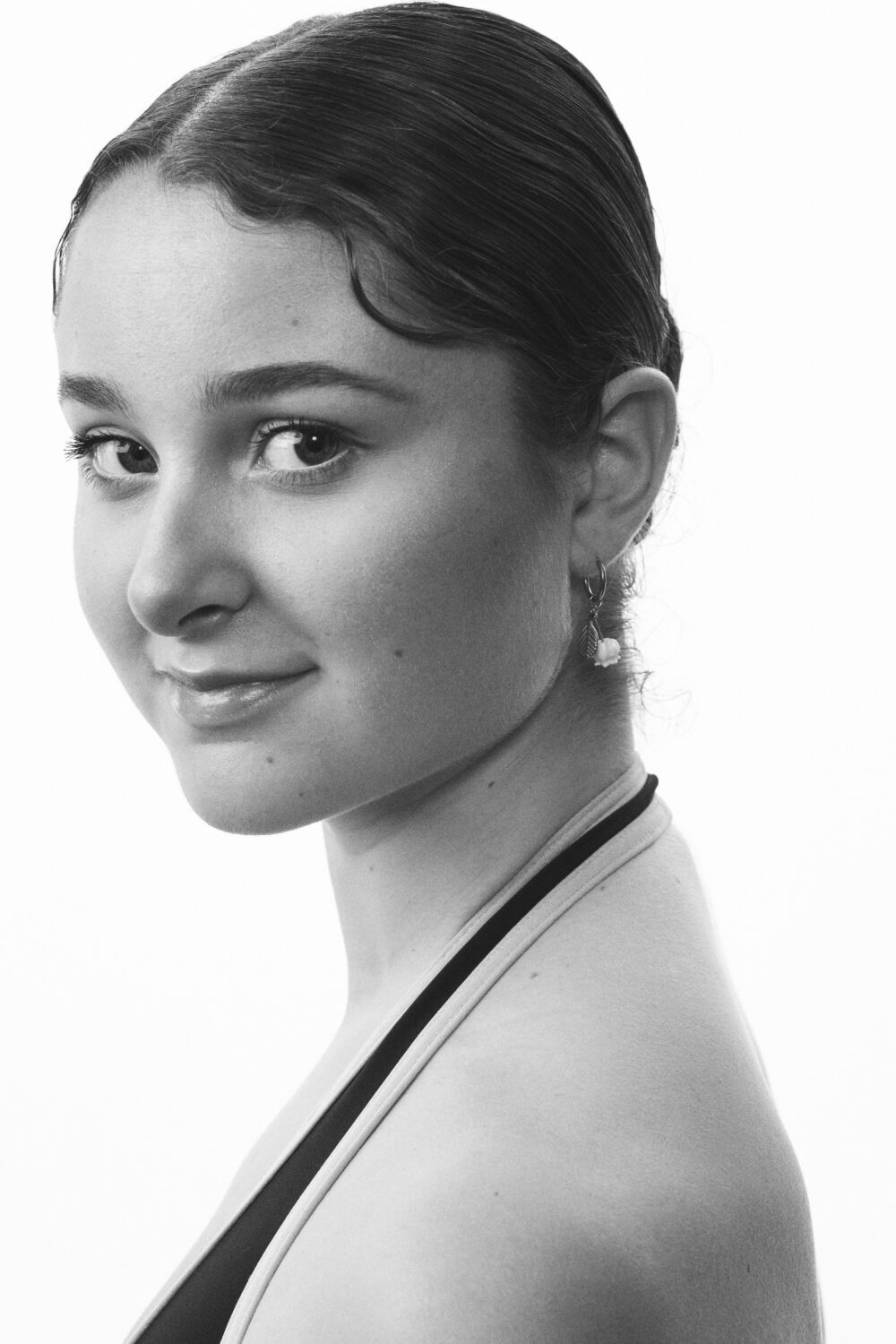
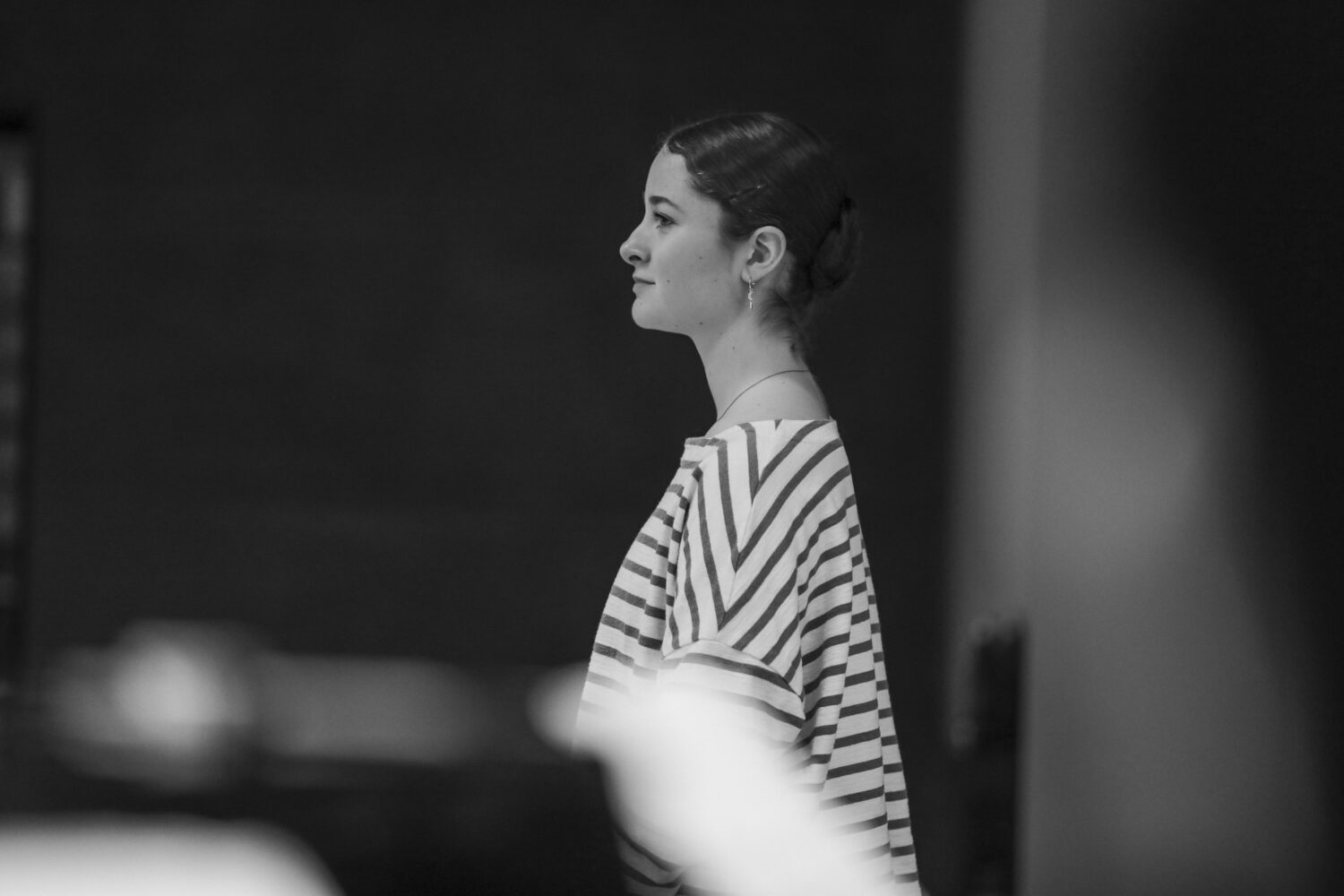
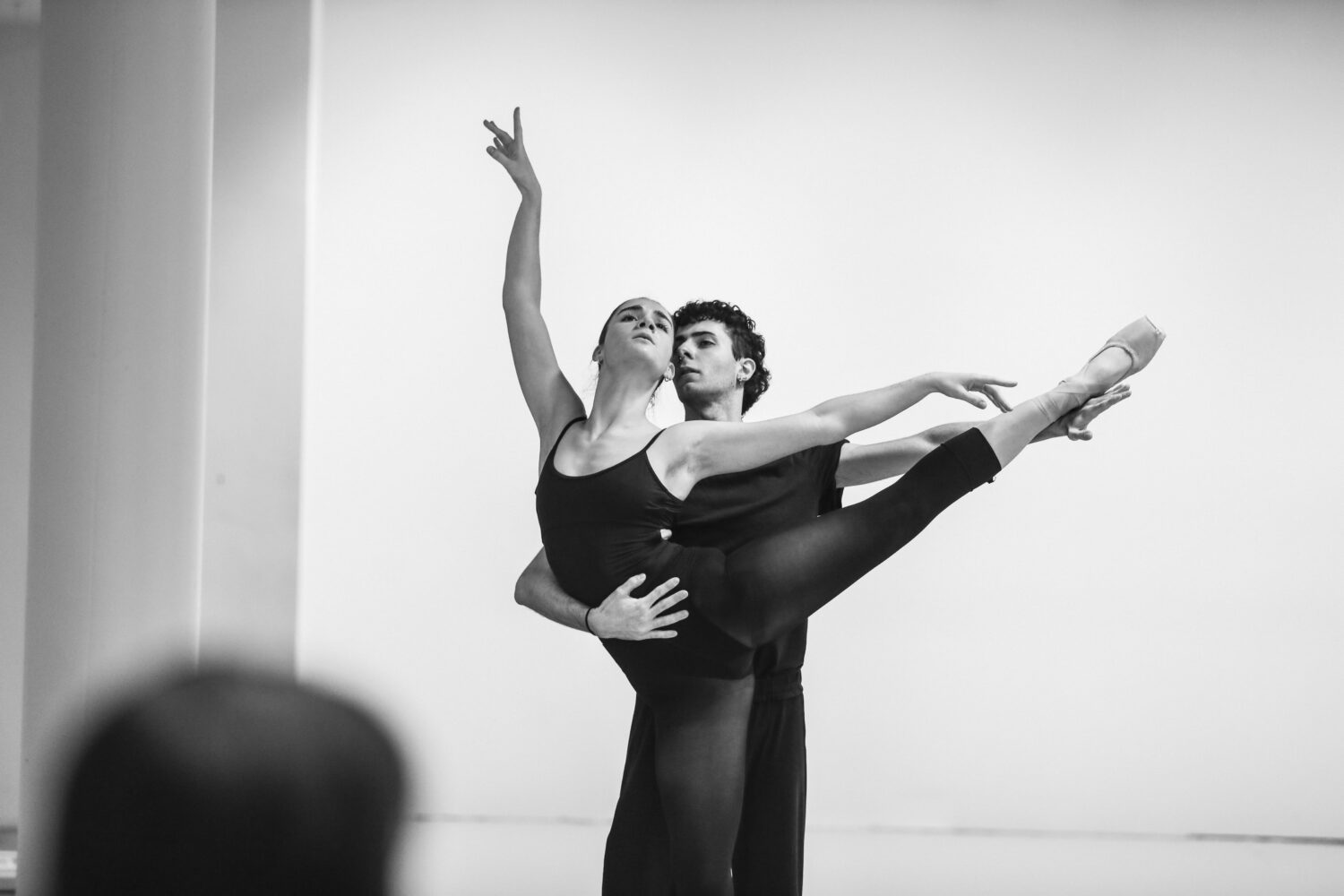
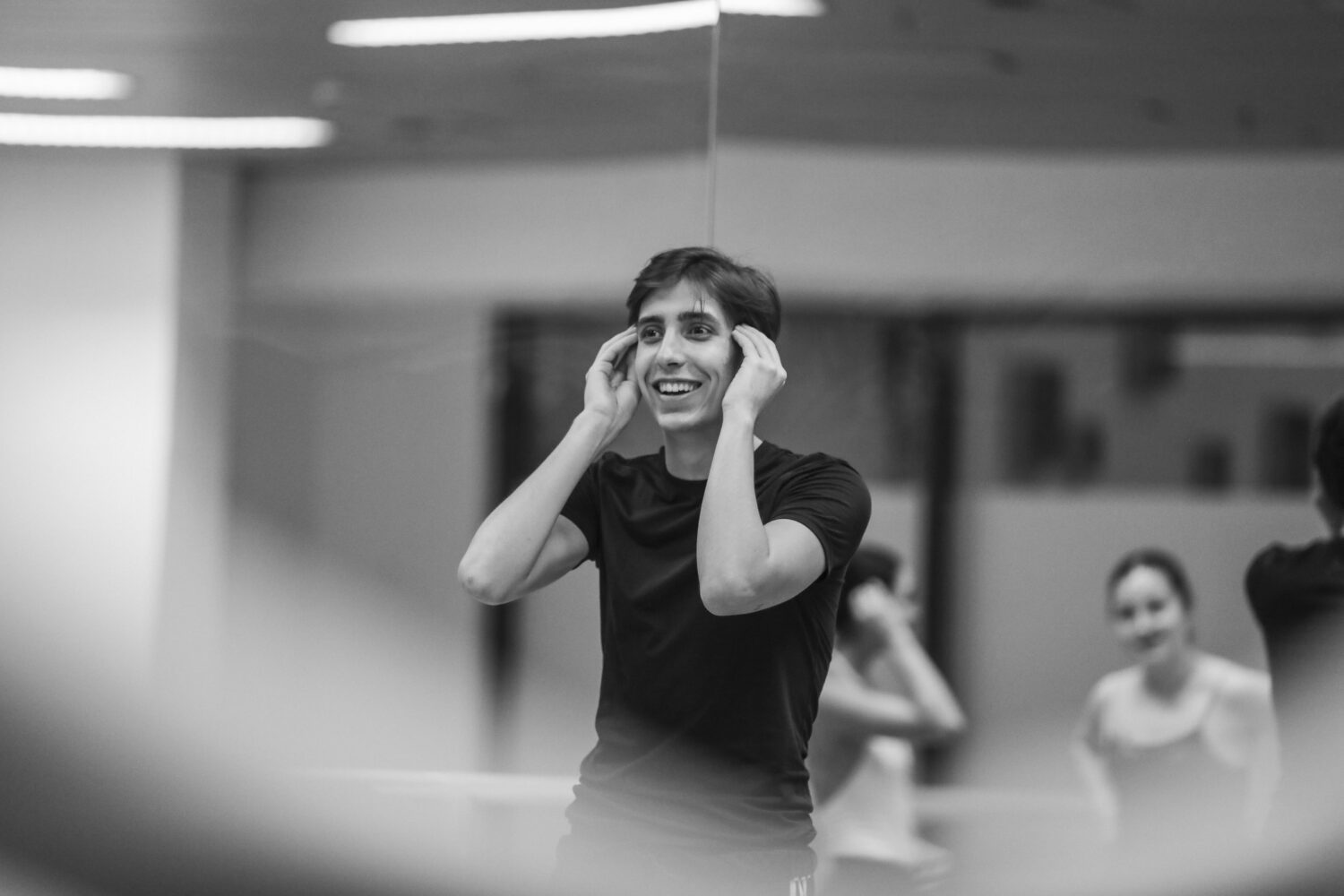
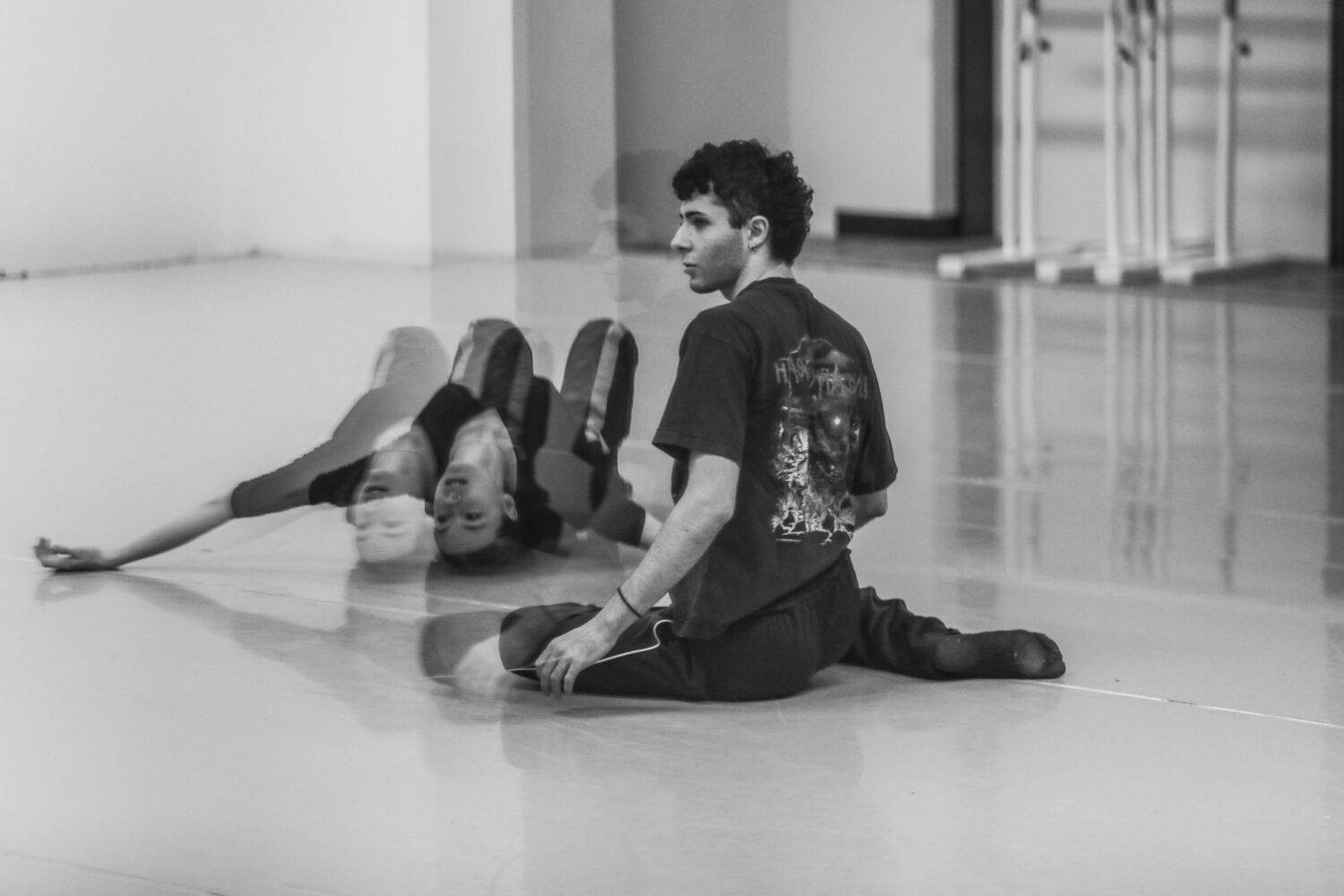
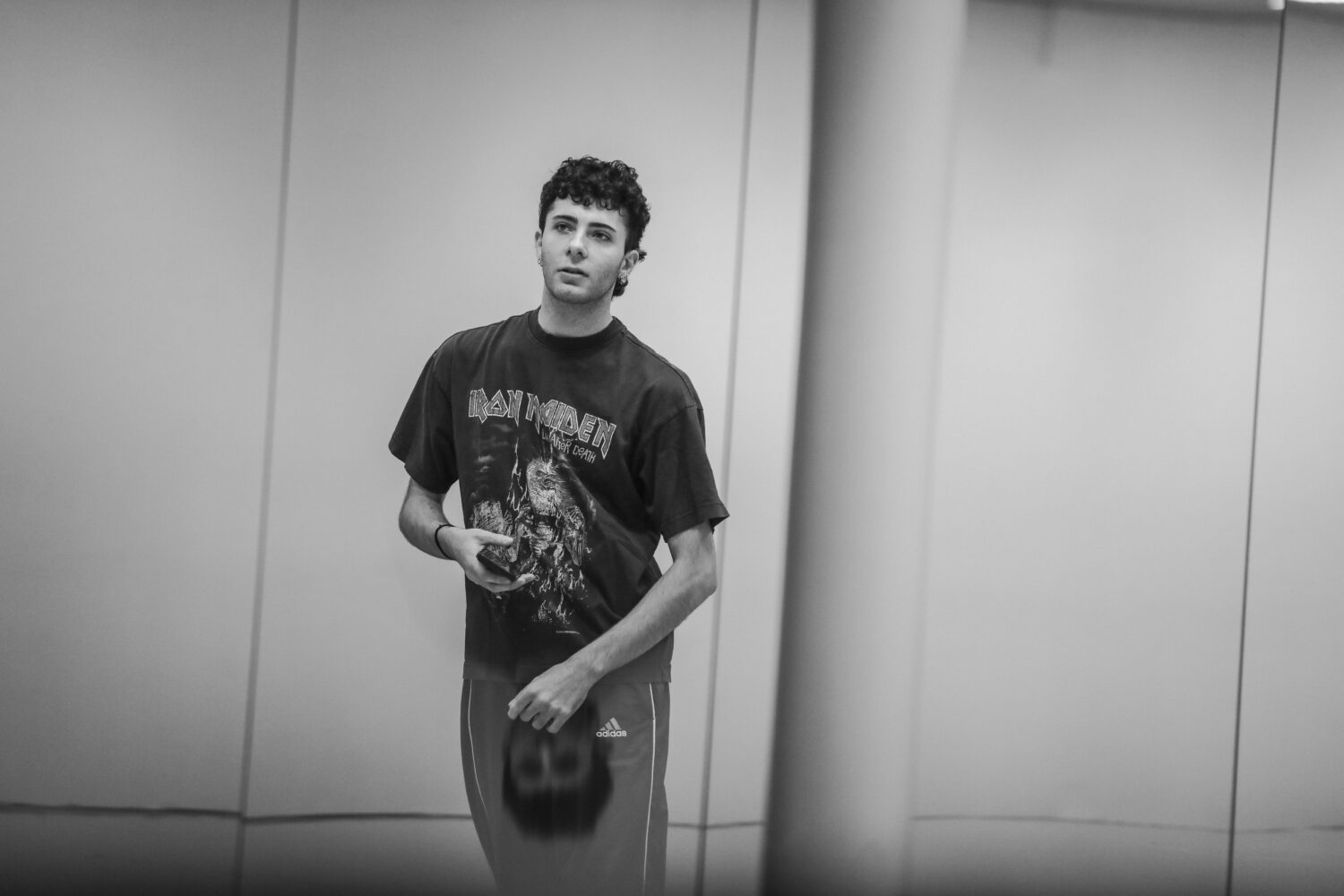
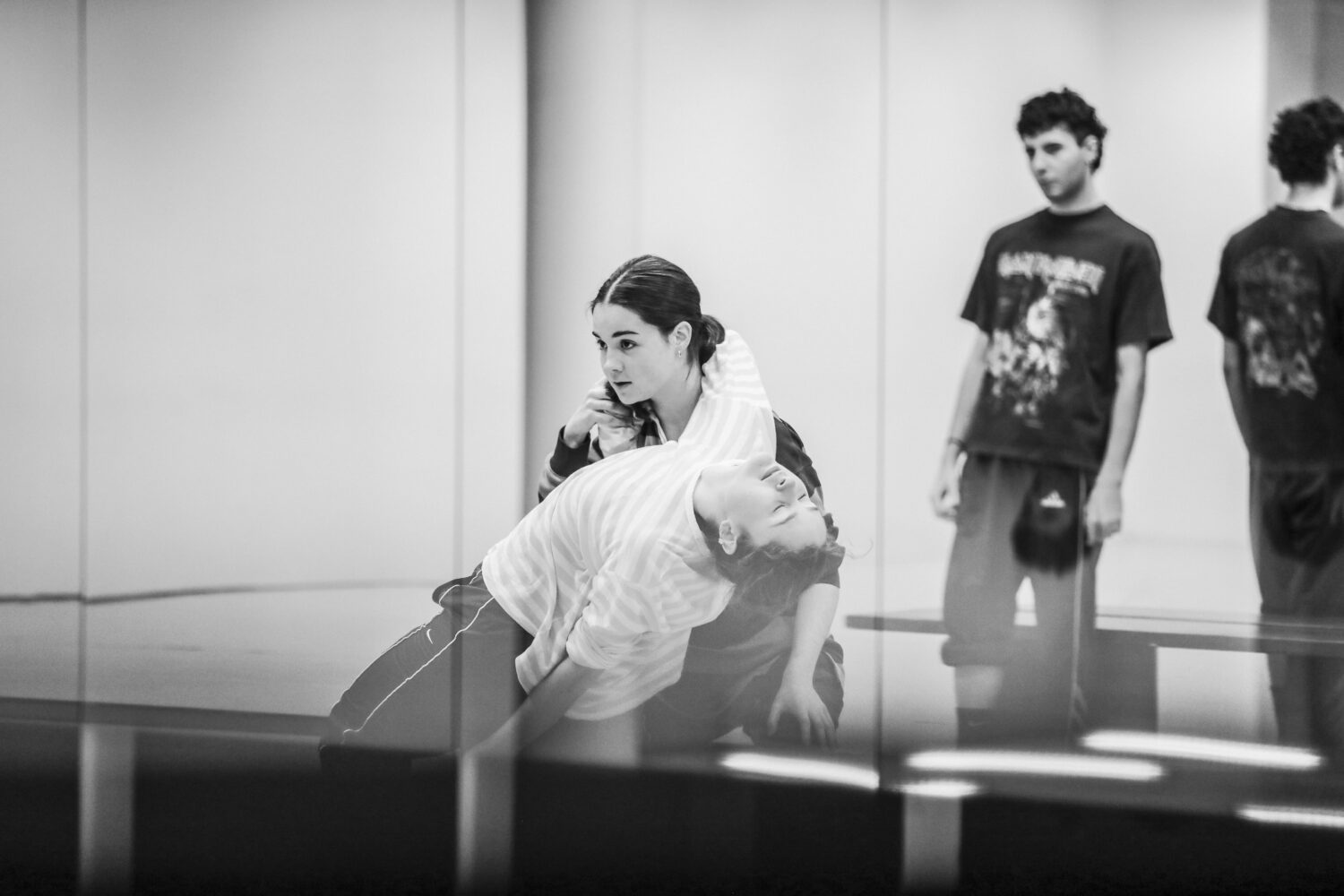
In this newest FLASH, four future dance makers: Ludovico, Samuel, Samuele and Noortje, speak out frankly and enthusiastically about their own creative process during an interview with Judith Delmé.

JD: Did you always have the urge to improvise in dance, or did this come later on?
LUDO: “When I was young, I had a very creative dance teacher who introduced us to telling stories through movement, something I really enjoyed. Then, later at ESB (European School of Ballet), the director gave us students the challenge to create a piece for dancers whom he had chosen. I was encouraged to go further with choreography, because he (the director) obviously saw potential in my work.”
SAMUEL: “I also liked to improvise since I was a small child.”
SAMUELE: “I agree, I did this too.”
NOORTJE: “For me, it began when I was studying in Amsterdam and I took part in a choreographic project, creating a duet for myself and a friend. It was then that I realized that this was something I enjoyed doing and I find that today I’m getting more and more pleasure out of creating.”

JD: When you start to create now, what kick-starts your process? Music, movement or concept?
NOORTJE: “The music always comes first for me! It’s out of this that the emotion and the movement emerges. This time I started listening to a music piece by Max Richter; after talking with Alain (Honorez) I changed over to another piece entitled MERCY by the same composer. It definitely was the right choice, because my concept became much clearer.”
SAMUEL: “My starting point is usually an idea, a concept. I have a deep sense of justice, of right and wrong and feel the urge to express this in movement.”
LUDO: “For me a concept, an idea, is an important beginning. That’s my starting point and from there on I wish to be inspired by the dancers – I want to see what I can pull out of them. In my latest piece for JBA, Alain (Honorez) suggested the music and this gave me inspiration.”
SAMUELE: “This is my first attempt at choreography which I have really enjoyed exploring. I have chosen music from the very south of Italy in which I have used the rhythms of the music and the words of the song and adapted traditional steps to tell a story.”

JD: Do you begin by using your own movement and afterwards work on this with the dancers?
LUDO: “I like to be inspired by the dancers, but I do create beforehand. Usually I have a concept to my piece, an idea of what it should become and then with the dancer(s) in front of me, I work it out in the studio.”
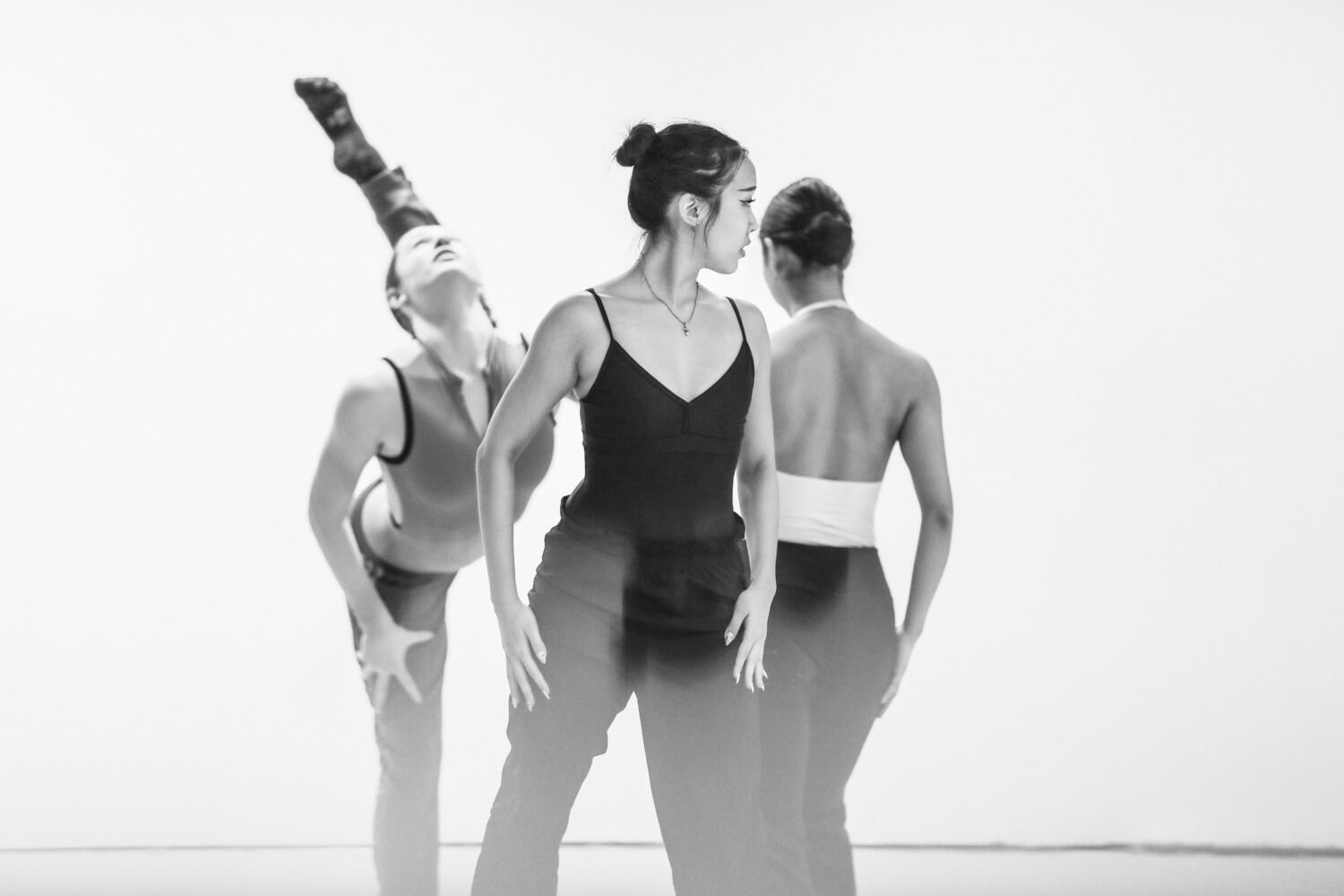
NOORTJE: “I start by visualizing the music, which can be at any moment because ideas seem to bubble up the more I listen. Once we get into the studio I work all this out together with the dancers because each of them – this time I am using 2 men and 2 women – has an individual way of moving. The structure – duets, trios, etc. – grew out of the connection between these four people.”
SAMUEL: “Definitely the movement arises out of my idea for the piece, then I choose the music that I find suits this. I have my own feeling for what I want but if I see something I like on a dancer, I’ll go for that. The more I create, the more I learn from my mistakes and how I can improve. Working with several people from different backgrounds and proportions demands a lot of organization and creativity. Having Altea (Nuñez) as an example, observing the way she choreographs, has been a real learning process for me and I think for all of us.”
JD: And finally, which important choreographers do you most admire and perhaps have inspired you?
LUDO: “William Forsythe and Crystal Pite.”
SAMUELE: “Pina Bausch and Goyo Montero.”
NOORTJE: “William Forsythe.”
SAMUEL: “Marcos Morau, Goyo Montero and Nacho Duato.”
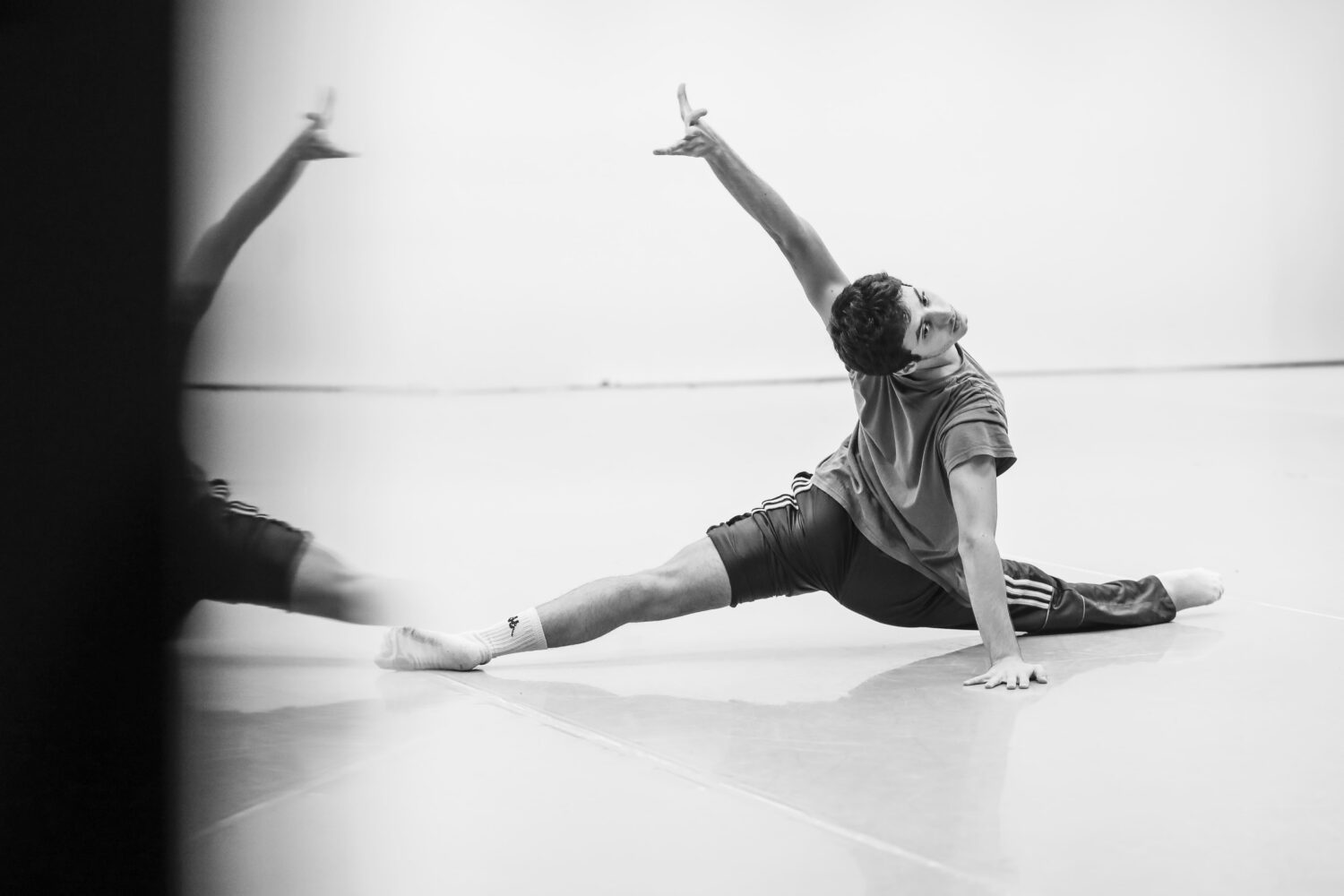
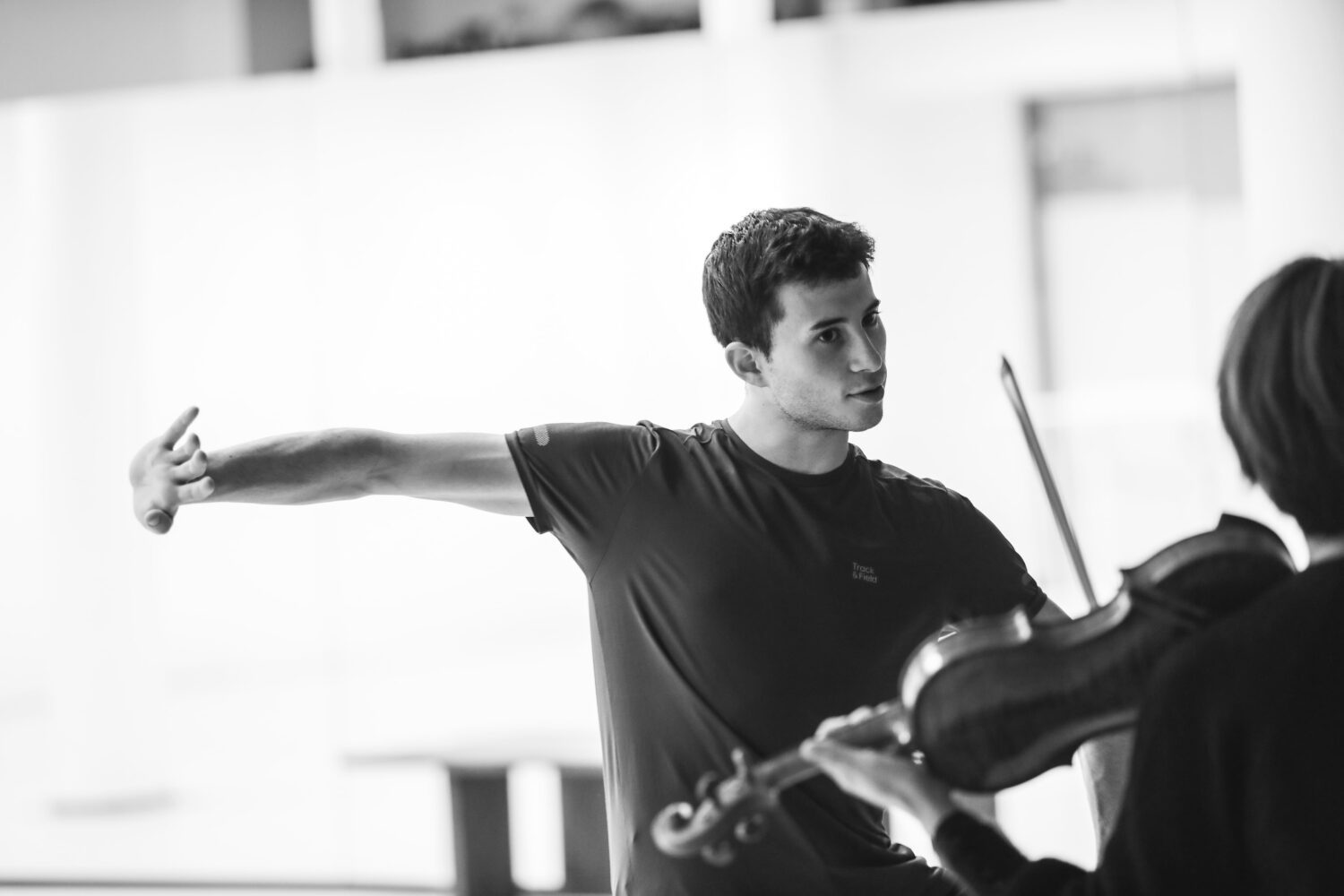
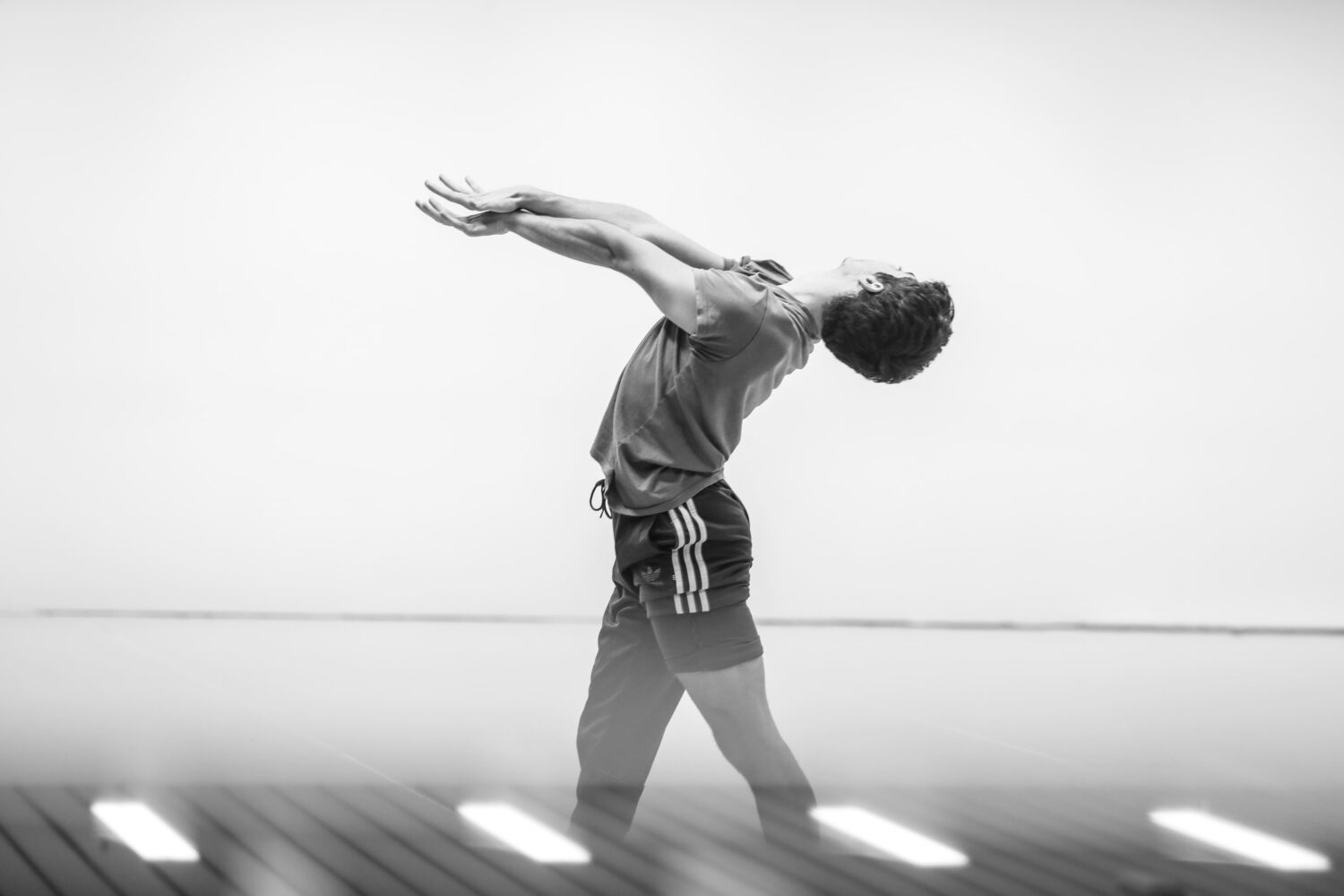
Join us at our headquarters between January 28 and February 6 to witness the creations of these four young makers of the future in DANCE BYTES #3!
WHERE? JBA Studio – Stadsfeestzaal Antwerpen (+2)
WHEN? 28-29/1/26 & 3-4-5-6/2/26
Start 6:00 PM
PRICE? €25 – drinks included
Spots are limited.
© Alain Honorez